
Home / Practice areas / Asylum
Asylum and Humanitarian Protection in San Diego
We help people who fear returning to their country prepare an asylum case, from Form I-589 and the evidence to the interview or the hearing in immigration court, in English or Spanish.
Free first consultation · Same-day consultations · Calls answered right away · Payment plans available · English & Spanish

Asylum may be an option if you fear returning.
Asylum is for people who have suffered persecution, or have a well-founded fear of it, in their home country.
You fear persecution in your home country
Because of your race, religion, nationality, political opinion or membership in a particular social group.
You want to file an asylum application
The process involves Form I-589, supporting evidence and an interview with USCIS.
Your asylum case was referred to immigration court
If your case is referred, it is heard by an immigration judge. We represent you in court.
You received a request for more evidence
We help you respond to requests for additional documentation.
Who may qualify for asylum
To qualify, you generally must show that you were persecuted, or have a well-founded fear of future persecution, because of your race, religion, nationality, political opinion or membership in a particular social group. The harm usually must come from the government, or from people the government cannot or will not control.
Certain things can bar asylum, including some criminal convictions, firm resettlement in another country, and filing after the deadline without a recognized exception. If you have any criminal history, even an old arrest, it should be reviewed before anything is filed. Our guide on criminal convictions and deportation explains why.
The one-year filing deadline
In most cases, the asylum application (Form I-589) must be filed within one year of your last arrival in the United States. Exceptions exist for changed circumstances and extraordinary circumstances, but they must be proven.
Missing the deadline does not always end the case. Withholding of removal and protection under the Convention Against Torture have no one-year deadline, though they require a higher level of proof. That is why we look at all three forms of protection together when we review your story.
Affirmative and defensive asylum
| Topic | Affirmative asylum | Defensive asylum |
|---|---|---|
| When it applies | You are not in removal proceedings | You are in removal proceedings, for example after a Notice to Appear |
| Where it is filed | With USCIS | Before an immigration judge |
| Who decides | An asylum officer, after an interview | The immigration judge, after a hearing |
| In San Diego | USCIS interview | San Diego Immigration Court, or the Otay Mesa Immigration Court if you are detained |
If an affirmative case is not approved, it may be referred to immigration court, and the claim is presented again before a judge. We represent clients in both settings. Learn how court cases work on our removal defense page.
Evidence that strengthens an asylum case
Your own detailed and consistent declaration is the center of the case. Supporting evidence may include:
- Identity documents
- Police or medical records
- Letters from witnesses
- Membership records
- Photographs
- Reports on conditions in your country
Inconsistencies between your declaration, your border interview and your testimony can hurt your credibility. Every document should be reviewed before it is filed, and you should be prepared for the questions you are likely to be asked.
Work permits and court fees while your case is pending
Asylum applicants may become eligible to request a work permit after the application has been pending for a required period. Delays you cause can stop that clock, so talk to your attorney before you miss or reschedule an appointment.
A federal law signed on July 4, 2025 added new fees for several filings in immigration court, including an annual fee while an asylum application is pending. EOIR updated its fee rules in 2026, so check the current amount before filing anything. Our guide on the Notice to Appear and your first hearing links to the official fee rules.
If you or a family member is detained
If you or someone in your family is held by ICE, the case moves faster and deadlines are tighter. Detained cases in San Diego are usually heard at the Otay Mesa Immigration Court. Our page on detained removal and bond explains bond and detained hearings.
If your asylum case is in immigration court
If you received a Notice to Appear, your asylum claim is presented to the judge as part of your removal case. The first hearing is a short master calendar hearing, where the judge explains the charges, asks what relief you plan to request and sets deadlines to file your application and evidence. Your full testimony usually comes later, at an individual hearing. The court provides an interpreter.
Keep your address updated with the court. If you move, file Form EOIR-33/IC within five working days. Changing your address with USCIS does not change it with the court, and a hearing notice sent to an old address can lead to an order of removal in your absence. Read what to do if you missed your immigration court hearing.
Protect your case from avoidable mistakes
- Do not sign papers you do not fully understand. Ask for time to speak with an attorney first.
- Keep every notice, receipt and copy of what you file. Do not give your originals to anyone.
- Tell the same story, with the same dates, every time. If you remember something differently, tell your attorney before the interview or hearing.
- Be careful with offers of help. Only licensed attorneys and accredited representatives can give immigration legal advice. “Notarios†and “immigration consultants†cannot represent anyone in immigration court.
What to bring to your consultation
- Your passport or any identity document
- Any papers you received at the border or from ICE, USCIS or the immigration court, including a Notice to Appear
- Any asylum application you already filed, with its receipt
- Any evidence you already have, such as police or medical records, photographs or letters
- Any criminal court records, even old ones
How we prepare an asylum case.Every case is unique. We take the time to understand your situation, explain your options clearly, and develop a focused legal strategy to protect your rights and move your case forward.
We listen to your story
You tell us what happened, in English or Spanish. We look at whether your facts fit the grounds for asylum.
We prepare the application and evidence
We help with Form I-589, documentation and supporting evidence.
We stand with you at the interview or hearing
We prepare you for the USCIS interview, or represent you in immigration court if your case is referred.
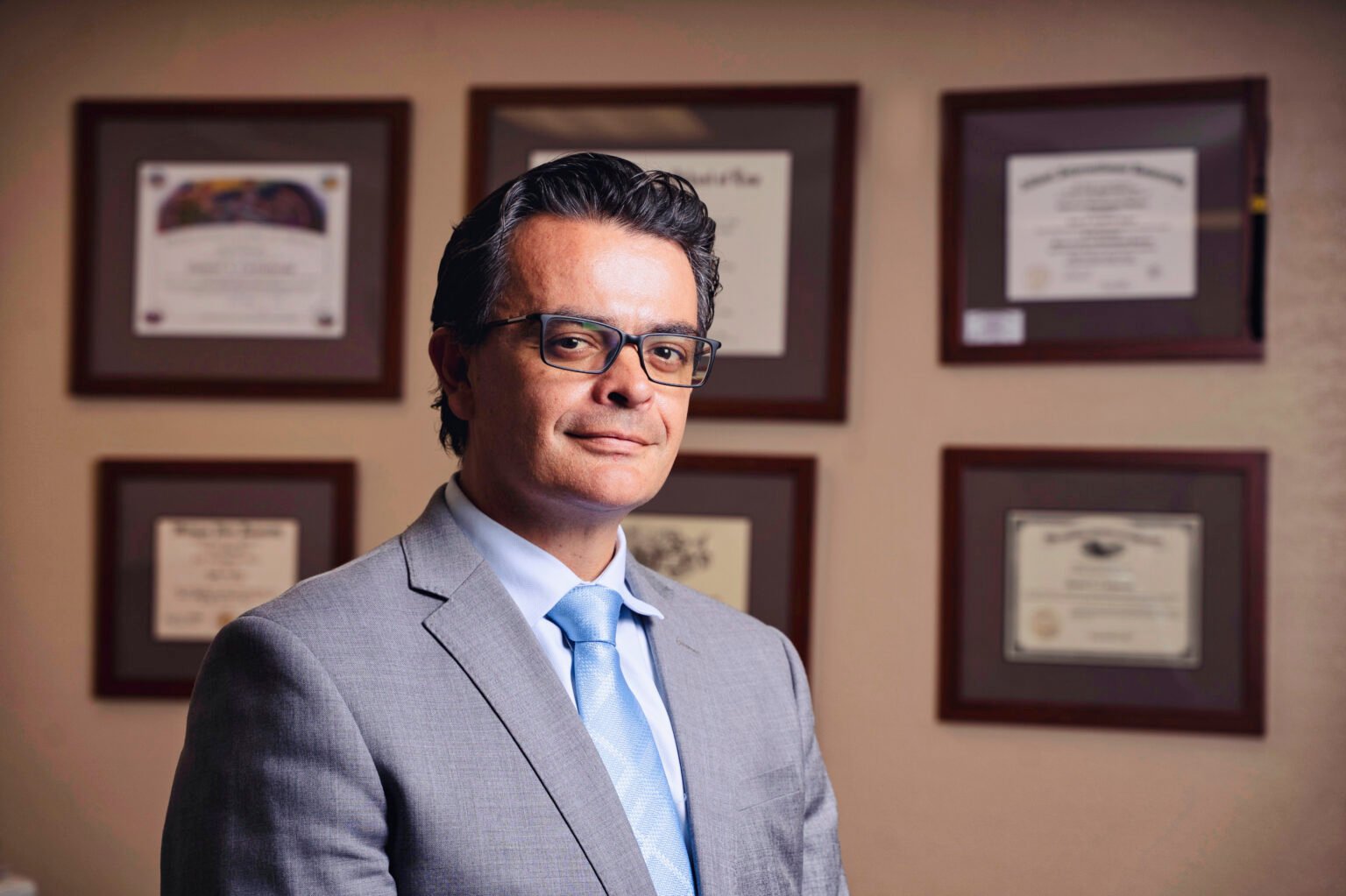
Daniel Castaneda, your attorney.
More than 2,000 cases handled since 2011.
Past results do not guarantee future outcomes.
- Firm
- Law Office of Daniel Stefan Castaneda, APC
- Practice
- Immigration, removal defense and the immigration side of criminal cases
- Languages
- English and Spanish
- State Bar of California
- #276762, admitted in 2011
See our Google reviews →
Questions we hear often.
Short answers to common questions. Every case is different, so call us to talk about yours.
Who qualifies for asylum in the U.S.?
Individuals who have suffered persecution or have a well-founded fear of persecution in their home country based on race, religion, nationality, political opinion, or membership in a particular social group.
What is the asylum application process?
It involves filing Form I-589, providing supporting evidence, attending an interview with USCIS (or immigration court hearing if referred), and responding to any requests for additional documentation.
How can your firm assist with asylum cases?
We guide clients through documentation, evidence preparation and courtroom representation, and we prepare you for each step.
Is there a deadline to apply for asylum?
In most cases, yes: one year from your last arrival in the United States. There are exceptions for changed or extraordinary circumstances, and withholding of removal and CAT protection have no one-year deadline.
Can I work while my asylum case is pending?
You may become eligible to request a work permit after your application has been pending for a required period. Delays you cause can stop that clock.
What is the difference between affirmative and defensive asylum?
An affirmative case is filed with USCIS when you are not in removal proceedings, and you attend an interview with an asylum officer. A defensive case is presented to an immigration judge as a defense against deportation.
Talk to an attorney today.
(619) 710-6095Free first consultation · Same-day consultations · Calls answered right away · Payment plans available · English & Spanish
Law Office of Daniel Stefan Castaneda, APC3065 Rosecrans Pl, Ste 204, San Diego, CA 92110-4822
daniel@castalegal.com
Tell us what is happening and we will explain your options in plain words, in English or Spanish. Your first consultation is free.